How the Commercial Real Estate Market Shapes Local Economies

How the Commercial Real Estate Market Shapes Local Economies
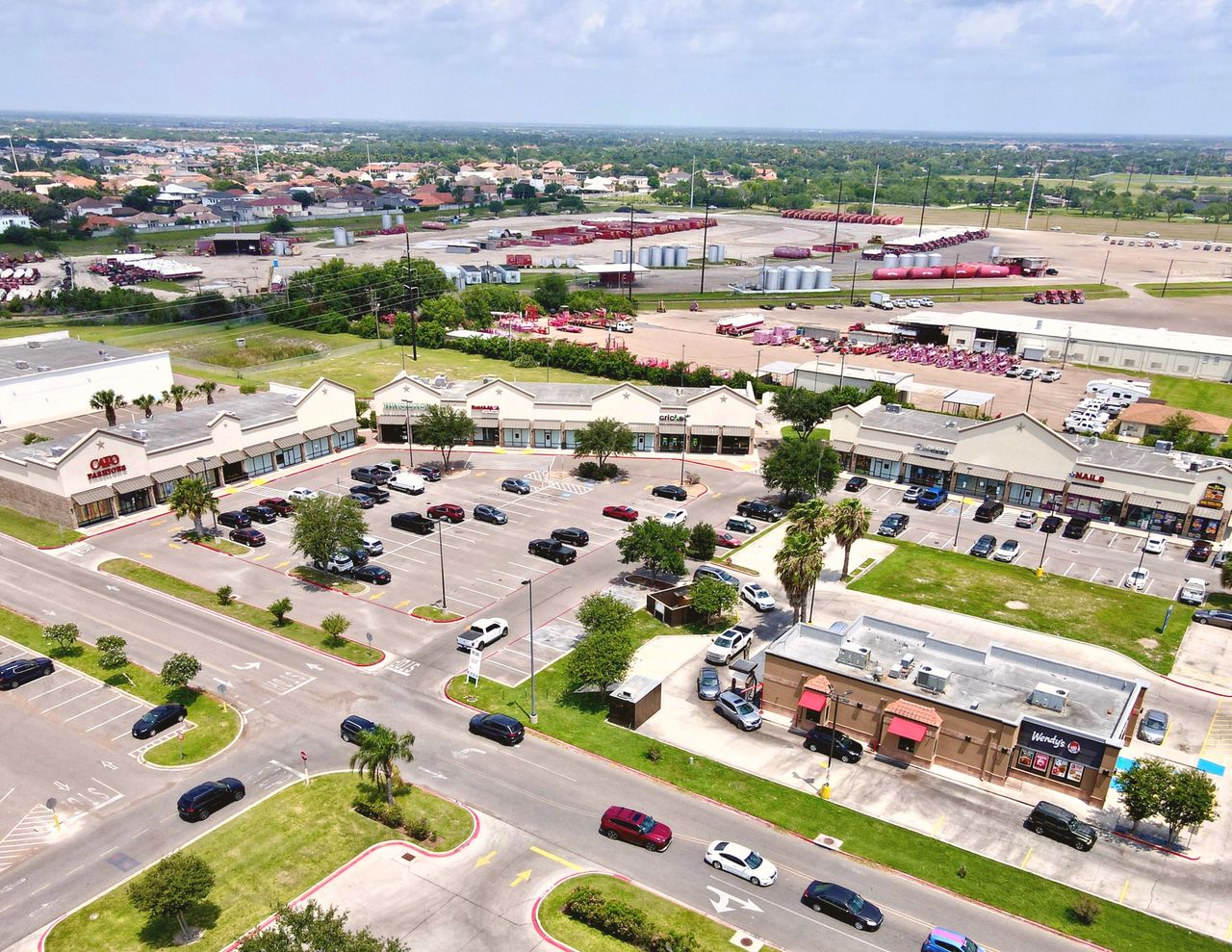
Commercial real estate isn’t just about office towers and shopping centers—it’s the backbone of thriving local economies. When a new business park opens or a mixed-use development transforms a neighborhood, the ripple effects can be felt far beyond the property lines.
Economic Engine: Jobs and Local Business Growth
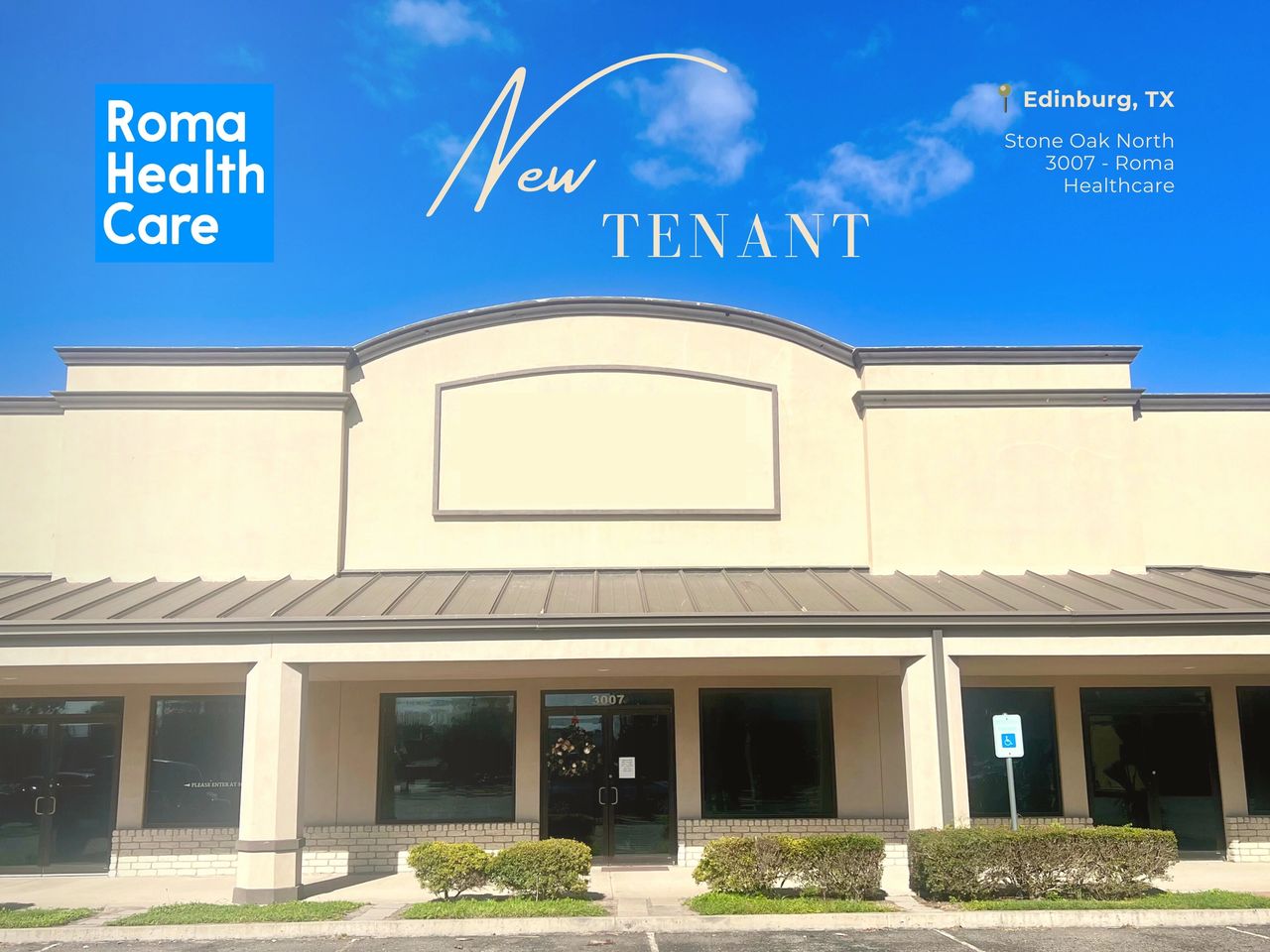
Every commercial building represents jobs—from construction workers and architects to property managers and maintenance crews. Once completed, these spaces attract tenants like restaurants, retailers, and tech startups, each hiring staff and purchasing local goods. This creates a multiplier effect, where one new building can spark a wave of economic activity throughout the community.
Tax Revenue: Fueling Public Services
Commercial properties are major contributors to city and county tax bases. Property taxes, business taxes, and sales taxes from tenants help fund schools, parks, emergency services, and infrastructure improvements. A bustling commercial district means more revenue for local governments to invest back into the community.
Community Development: Revitalization and Transformation
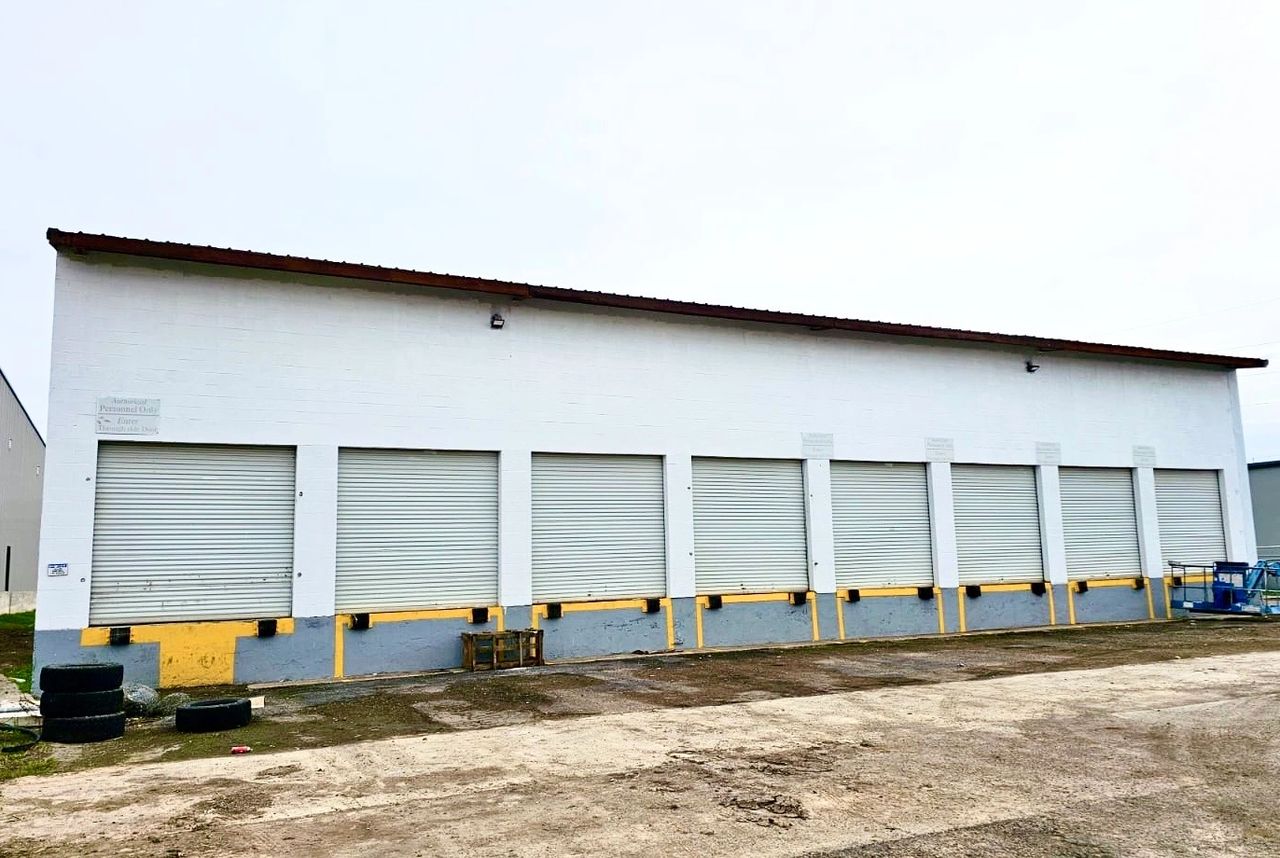
Strategic commercial real estate development can breathe new life into underused or declining areas. Think of an old warehouse district reborn as a vibrant arts and entertainment hub, or a vacant lot turned into a lively mixed-use complex. These projects often attract new residents, boost property values, and inspire further investment in surrounding neighborhoods.
Risks and Challenges: The Other Side of the Coin
Of course, commercial real estate isn’t without risks. Economic downturns, shifts in consumer habits, or overbuilding can lead to high vacancy rates and declining property values. When large properties sit empty, local businesses may struggle, and tax revenues can drop—impacting public services and community morale.
Real-Life Examples: Cities Transformed
Consider the transformation of downtown Nashville, where investment in commercial real estate helped turn a sleepy city center into a bustling destination for businesses, tourists, and locals alike. Or look at the tech-driven revitalization of Toronto’s waterfront, which has attracted global companies and spurred new housing and amenities for residents.
Whether it’s a new office tower or a neighborhood shopping plaza, commercial real estate shapes the character and prosperity of our cities in ways both visible and subtle.